 BestPriceDeal.in
A Complete Book Review, Summary & In-Depth Analysis
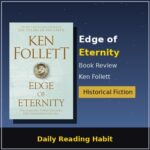
Historical fiction has the unique ability to blend real-world events with emotionally engaging storytelling, allowing readers to experience history through the eyes of fictional characters. “Edge of Eternity” by Ken Follett stands as one of the most ambitious and powerful historical novels of modern literature. As the final installment in the acclaimed Century Trilogy, this book captures the political, social, and personal upheavals of the late 20th century with remarkable depth and clarity.
This SEO-friendly, in-depth review explores the plot, themes, writing style, strengths, limitations, and overall value of Edge of Eternity so readers can understand why it continues to rank among the most discussed historical fiction novels worldwide.
Introduction to Edge of Eternity
Edge of Eternity is the concluding novel of Ken Follett’s Century Trilogy, following Fall of Giants and Winter of the World. While the earlier books focused on World War I and World War II, this final volume covers the Cold War era, the Civil Rights Movement, the Berlin Wall, the Vietnam War, and the eventual fall of communism.
Ken Follett is known for his meticulous research and ability to transform complex historical events into gripping narratives. In Edge of Eternity, he once again demonstrates his talent for merging personal drama with global history, creating a story that feels both intimate and monumental.
Plot Overview (Spoiler-Free)
The novel spans several decades, primarily from the 1960s through the 1980s, following the next generation of families introduced in the previous books. The story moves across multiple countries—including the United States, the Soviet Union, Germany, and the United Kingdom—providing a truly global perspective.
Key plot elements include:
-
The American Civil Rights struggle
-
The political tensions of the Cold War
-
The construction and fall of the Berlin Wall
-
The Vietnam War’s emotional and political consequences
-
Espionage, diplomacy, and ideological conflict
Rather than focusing on a single protagonist, the novel weaves multiple character arcs together. This structure allows readers to witness historical events from diverse viewpoints, making the narrative richer and more immersive.
Major Themes Explored
1. Freedom vs. Control
A central theme throughout the novel is the tension between authoritarian control and democratic freedom. Characters living under communist regimes experience restrictions that contrast sharply with the freedoms enjoyed elsewhere, highlighting the universal human desire for autonomy.
2. Political Ideology and Morality
The book examines how political beliefs influence personal decisions. Follett does not oversimplify ideologies; instead, he portrays the complexity and nuance of political systems and their effects on individuals.
3. Social Justice and Equality
Through the Civil Rights Movement storyline, the novel emphasizes racial equality, activism, and the courage required to challenge injustice. These segments are emotionally powerful and historically informative.
4. Love, Loyalty, and Family
Despite the grand historical backdrop, the heart of the story lies in personal relationships. Love, betrayal, and generational bonds add emotional depth and make the historical events more relatable.
5. The Passage of Time
The novel reflects on how decades of political change influence societies and individuals alike. It shows how small actions can ripple through history and alter future generations.
Writing Style and Narrative Structure
Ken Follett’s writing style is detailed yet accessible. He balances descriptive historical context with engaging dialogue and character-driven storytelling. The pacing is steady, and although the book is lengthy, it rarely feels slow due to the constant interplay between personal drama and political tension.
The multi-perspective structure is one of the novel’s strengths. Each chapter shifts focus to different characters, offering fresh viewpoints and maintaining reader interest. Follett’s ability to handle numerous plotlines without confusion is a testament to his storytelling mastery.
Character Development
Character development in Edge of Eternity is extensive. The novel follows children and grandchildren of earlier protagonists, allowing readers to witness growth across generations.
Protagonists:
They evolve with historical events, reflecting societal transformations and personal maturity.
Supporting Characters:
Journalists, activists, politicians, and ordinary citizens add realism and complexity, representing diverse social and political positions.
The characters’ emotional journeys ensure that history never feels distant or abstract; instead, it becomes personal and immediate.
Historical Accuracy and Research
One of the book’s most impressive aspects is its historical accuracy. Follett integrates real events and figures seamlessly into fictional narratives. Readers gain insight into:
-
The Cuban Missile Crisis aftermath
-
The civil rights marches in the United States
-
East and West Germany’s political divide
-
The influence of espionage during the Cold War
The research depth enhances credibility and educational value while keeping the narrative engaging.
Strengths of the Book
1. Rich Historical Detail
The novel offers an immersive journey through major 20th-century events.
2. Emotional Storytelling
Personal relationships and struggles create a strong emotional connection.
3. Multi-Perspective Narrative
Multiple viewpoints add depth and prevent monotony.
4. Educational Value
Readers learn about world history while enjoying a fictional narrative.
5. Strong Character Arcs
Generational storytelling makes the novel feel expansive yet personal.
Limitations of the Book
1. Length
The novel is extensive, which may feel overwhelming to some readers.
2. Complex Plotlines
Multiple story arcs require attention and patience.
3. Dense Political Content
Readers seeking light fiction may find the political focus heavy.
Despite these minor drawbacks, the book’s depth and storytelling quality outweigh its challenges.
Who Should Read Edge of Eternity?
This novel is ideal for:
-
Fans of historical fiction
-
Readers interested in 20th-century world history
-
Ken Follett enthusiasts
-
Students and educators exploring political history
-
Anyone who enjoys character-driven epics
If you appreciate novels that combine education with entertainment, Edge of Eternity is a rewarding choice.
Comparison With Other Historical Novels
Compared to other historical epics, Edge of Eternity stands out due to its global perspective and generational storytelling. While many novels focus on a single country or event, Follett’s approach is panoramic, offering interconnected narratives that span continents and decades.
Lessons and Takeaways
The book offers several meaningful insights:
-
Freedom requires continuous effort and vigilance.
-
Political systems shape personal lives more than we often realize.
-
Social progress is driven by courage and activism.
-
History is a collective story built by individual choices.
-
Understanding the past is essential for shaping the future.
Overall Verdict
Edge of Eternity by Ken Follett is a masterful conclusion to the Century Trilogy. It successfully combines historical accuracy, emotional storytelling, and global political insight into a compelling narrative. While its length and complexity demand commitment, the reward is a deeply enriching reading experience.
Rating: 4.7 / 5
For readers who enjoy epic historical fiction filled with political intrigue, emotional depth, and educational value, Edge of Eternity is a must-read.