 BestPriceDeal.in
A Deep Dive into Love, Loss, and Emotional Healing
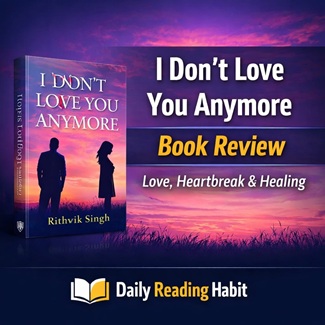
Love stories often begin with hope, passion, and promises of forever. But what happens when love fades, words lose meaning, and two people drift apart emotionally? I Don’t Love You Anymore by Rithvik Singh explores this painful yet deeply relatable phase of modern relationships.
This book is not just a romantic narrative. It is a reflection on emotional disconnect, unspoken pain, self-worth, and the difficult journey of letting go. In this detailed review, we examine the themes, writing style, emotional impact, strengths, and limitations of I Don’t Love You Anymore, and why it resonates so strongly with today’s readers.
Introduction: When Love Changes Without Warning
Few sentences hurt as much as the words “I don’t love you anymore.” They mark the end of certainty, comfort, and emotional safety. Rithvik Singh builds his book around this raw emotional reality, capturing what it feels like when a relationship slowly unravels.
Set against emotional conversations, internal conflicts, and quiet realizations, the book reflects situations many people experience but struggle to articulate. It speaks directly to readers who have loved deeply, lost painfully, and questioned their own worth along the way.
About the Author: Rithvik Singh
Rithvik Singh is known for writing emotionally driven stories that focus on love, heartbreak, healing, and self-reflection. His writing style is simple, honest, and conversational, making complex emotions easy to connect with.
Rather than relying on dramatic storytelling, Singh focuses on emotional truth. His work appeals especially to young adults and modern readers navigating relationships, breakups, and personal growth in a fast-changing world.
What Is I Don’t Love You Anymore About?
At its core, I Don’t Love You Anymore is about emotional detachment and the painful realization that love alone is not always enough to sustain a relationship.
The book explores:
-
Emotional distance between partners
-
Unmet expectations and silent resentment
-
One-sided effort and emotional exhaustion
-
The struggle between holding on and letting go
Instead of presenting a single dramatic moment, the story unfolds gradually, showing how love fades through neglect, miscommunication, and emotional disconnect.
Themes Explored in the Book
1. Emotional Neglect and Distance
One of the strongest themes in the book is emotional neglect. The author highlights how relationships often fail not because of betrayal, but because partners stop listening, understanding, and showing care.
The absence of emotional availability slowly weakens the bond, leaving one person feeling lonely even while being in a relationship.
2. The Pain of One-Sided Love
Rithvik Singh portrays the silent suffering of giving more than you receive. The book captures the emotional exhaustion of trying to fix something alone while the other person slowly withdraws.
This theme resonates deeply with readers who have experienced imbalance in love and effort.
3. Acceptance and Letting Go
A major turning point in the book is the acceptance that not all relationships are meant to last. Letting go becomes an act of self-respect rather than failure.
The author shows that walking away can sometimes be the healthiest choice, even when love still exists.
4. Healing and Self-Worth
Beyond heartbreak, the book focuses on healing. It encourages readers to rediscover their identity outside a relationship and rebuild self-worth after emotional loss.
This makes the book as much about personal growth as it is about love.
Writing Style and Narrative Tone
The writing style is simple, emotional, and reflective. Rithvik Singh avoids complex language and focuses instead on clarity and emotional honesty.
Short chapters, relatable dialogues, and introspective thoughts make the book easy to read while still emotionally impactful. The conversational tone helps readers feel understood rather than lectured.
This accessibility is one of the book’s biggest strengths.
Emotional Impact on the Reader
I Don’t Love You Anymore connects deeply with readers who have experienced heartbreak, emotional abandonment, or silent suffering in relationships.
Many readers report feeling seen and understood. The book does not offer unrealistic hope or fairy-tale endings. Instead, it validates pain while gently guiding readers toward emotional clarity and acceptance.
Strengths of the Book
Relatable Content
The situations described feel real and familiar, making it easy for readers to connect emotionally.
Emotional Honesty
The book does not romanticize heartbreak. It presents pain as it is, without exaggeration.
Simple and Engaging Writing
The language is easy to follow, making the book accessible to a wide audience.
Focus on Healing
Rather than ending in despair, the book encourages emotional recovery and self-growth.
Limitations to Consider
While emotionally powerful, the book may feel repetitive to readers looking for complex plot development. It focuses more on feelings than on external events.
Readers who prefer fast-paced storytelling or dramatic twists may find the narrative slow. However, this introspective style suits the book’s emotional purpose.
Who Should Read This Book?
This book is ideal for:
-
Readers going through breakups or emotional loss
-
Anyone experiencing one-sided love
-
Young adults navigating modern relationships
-
Readers interested in emotional healing and self-reflection
-
Fans of romantic and introspective writing
It is especially comforting for those who need emotional validation during difficult relationship phases.
Comparison with Other Romance and Healing Books
Unlike traditional romance novels, I Don’t Love You Anymore focuses less on plot and more on emotional truth. Compared to motivational self-help books, it offers comfort through storytelling rather than advice.
This balance makes it unique. It neither promises quick healing nor dramatic resolutions, but instead offers emotional clarity.
Life Lessons from I Don’t Love You Anymore
The book leaves readers with several important lessons:
-
Love requires effort from both sides
-
Silence can hurt more than arguments
-
Letting go is sometimes necessary for growth
-
Self-worth should never depend on someone else’s feelings
These lessons stay with readers long after finishing the book.
Final Verdict
I Don’t Love You Anymore by Rithvik Singh is a heartfelt and emotionally honest exploration of love, loss, and healing. It speaks to the quiet pain of emotional disconnection and the strength required to accept the end of a relationship.
This book does not promise happiness overnight. Instead, it offers understanding, comfort, and emotional clarity. For readers who value emotional depth and personal reflection, this book is a meaningful and relatable read.
Overall Rating: 4.4 out of 5