 BestPriceDeal.in
A Gripping Story of Love, Secrets, and Second Chances
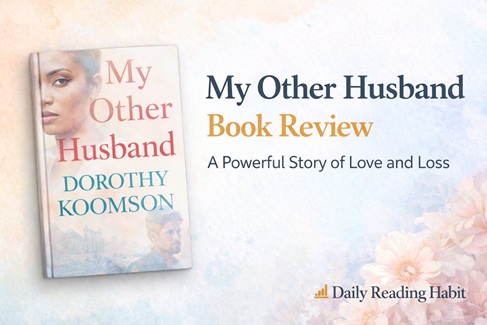
When it comes to emotional, character-driven fiction that blends romance with suspense, few authors do it as effortlessly as Dorothy Koomson. In My Other Husband, Koomson delivers a compelling narrative that explores love beyond labels, grief beyond loss, and strength beyond betrayal.
This novel is not just about romance—it’s about the complicated lives people lead behind closed doors, the secrets they carry, and the unexpected paths that lead to healing. With relatable characters and an emotionally layered plot, My Other Husband stands out as a powerful story of resilience and emotional truth.
About the Book: My Other Husband
My Other Husband is a contemporary women’s fiction novel that combines romance, drama, and mystery. At its core, the book explores a love triangle—but not in the traditional sense. Instead of focusing on jealousy or rivalry, the story examines how love can exist in unexpected forms, even after death.
The novel asks a bold question: What happens when the person you love most is not the only one who loved you?
Dorothy Koomson approaches this sensitive theme with empathy and nuance, creating a story that is as heart-wrenching as it is hopeful.
Plot Overview (Spoiler-Free)
The story follows Tess, a woman whose life is turned upside down when her husband dies unexpectedly. As she begins to process her grief, she uncovers a shocking truth—her late husband had another wife.
But this is not a story about anger or revenge.
Instead, Tess finds herself forming an unlikely connection with Candace, the other woman who loved the same man. Both women are grieving the same loss, yet from entirely different perspectives. Bound by shared sorrow, unanswered questions, and emotional confusion, they must navigate their pain while redefining what love, trust, and family truly mean.
As secrets unravel, the novel delves into themes of forgiveness, emotional survival, and the courage it takes to rebuild life after betrayal and loss.
Themes Explored in My Other Husband
1. Love Beyond Traditional Boundaries
Koomson challenges the idea that love fits neatly into societal definitions. The novel shows that love can be flawed, complicated, and still deeply real. Rather than glorifying infidelity, the story explores emotional complexity with honesty.
2. Grief and Healing
Grief is central to the novel. Both main characters grieve the same man, yet their pain is different. The book beautifully portrays how grief does not follow a timeline and how healing often comes from unexpected connections.
3. Female Strength and Solidarity
One of the most refreshing aspects of My Other Husband is the way it avoids pitting women against each other. Instead, it highlights empathy, understanding, and emotional maturity between two women linked by circumstance rather than choice.
4. Secrets and Truth
The novel examines how secrets shape lives—sometimes protecting, sometimes destroying. As the truth emerges, the characters are forced to confront uncomfortable realities and redefine their sense of self.
Character Analysis
Tess – The Betrayed Wife
Tess is portrayed with depth and authenticity. Her emotions—shock, anger, sadness, confusion—feel raw and real. Rather than turning her into a victim, Koomson presents Tess as a woman learning to reclaim her identity after loss.
Candace – The Other Wife
Candace’s character challenges stereotypes. She is not depicted as the villain but as a woman who loved deeply and lost just as painfully. Her vulnerability adds emotional balance to the story.
Supporting Characters
The supporting cast adds warmth and realism, offering perspectives on friendship, family, and emotional support during times of crisis.
Writing Style and Narrative Strength
Dorothy Koomson’s writing is emotionally engaging and accessible. Her prose is simple yet powerful, allowing readers to connect deeply with the characters without feeling overwhelmed.
-
Smooth pacing keeps the story engaging
-
Emotional scenes are handled with sensitivity
-
Dialogue feels natural and heartfelt
-
Inner monologues provide insight without slowing the story
The balance between emotional depth and readability makes this book hard to put down.
Emotional Impact on Readers
This is not a light romance—it’s a deeply emotional read that stays with you long after the final page. Readers may find themselves reflecting on:
-
The meaning of loyalty
-
The nature of forgiveness
-
How love can exist alongside pain
-
The strength required to move forward
If you enjoy books that make you think and feel equally, My Other Husband delivers on both fronts.
Who Should Read This Book?
This book is ideal for readers who enjoy:
-
Contemporary women’s fiction
-
Emotional and character-driven stories
-
Novels about relationships and personal growth
-
Stories dealing with grief, love, and second chances
It may not be suitable for readers looking for fast-paced thrillers, but for those who value emotional realism, it’s a rewarding experience.
Review: Is My Other Husband Worth Reading?
Rating: ★★★★☆ (4.5/5)
What Works Well:
-
Strong emotional depth
-
Well-developed female characters
-
Mature handling of sensitive themes
-
Unique take on love and loss
Minor Drawbacks:
-
Emotional intensity may feel heavy for some readers
-
Slower pace compared to plot-driven novels
Overall, My Other Husband is a beautifully written novel that handles complex emotions with grace. It’s not just about romantic relationships—it’s about healing, empathy, and redefining happiness after heartbreak.
Final Thoughts
My Other Husband is a reminder that life is rarely black and white. Love can be imperfect, people can make mistakes, and healing often comes from the most unexpected places.
Dorothy Koomson once again proves why she is celebrated for her emotionally intelligent storytelling. This novel doesn’t judge—it understands. And that’s what makes it so powerful.
If you’re looking for a book that combines emotional depth, strong female voices, and a thought-provoking storyline, My Other Husband deserves a place on your reading list.