 BestPriceDeal.in
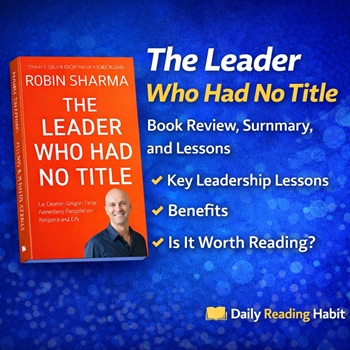
Leadership is often misunderstood. Many people believe leadership comes from a job title, a position, or authority. But the book The Leader Who Had No Title challenges this belief completely. Written by Robin Sharma, this book delivers a powerful message that anyone can lead, regardless of role, status, or background.
This book is not just about leadership in offices or organizations. It is about leading your life, your work, and your mindset every single day. In this detailed review, we will explore what the book is about, its core ideas, key lessons, who should read it, and why it continues to inspire millions worldwide.
About the Book The Leader Who Had No Title
-
Author Robin Sharma
-
Genre Leadership Personal Development Self Growth
-
First Published 2010
-
Format Paperback Hardcover Ebook Audiobook
Robin Sharma is known for his inspirational and practical approach to personal growth. In this book, he uses storytelling to explain leadership concepts in a simple and engaging way.
What Is The Leader Who Had No Title About
The book follows a fictional story of a man who meets four extraordinary mentors. Each mentor teaches him a powerful leadership lesson. Through these conversations, the reader learns that leadership is not about position but about mindset, behavior, and daily actions.
The core message of the book is simple
You do not need a title to be a leader
Leadership starts from within.
The Central Philosophy of the Book
The main philosophy of The Leader Who Had No Title is that everyone can practice leadership no matter where they are in life.
Key beliefs explained in the book
-
Leadership is a choice, not a position
-
Every job is a platform for excellence
-
Small actions done consistently create big impact
-
Personal mastery leads to professional success
This mindset empowers readers to take responsibility for their growth and contribution.
The Four Interior Empires of Leadership
One of the most powerful ideas in the book is the concept of Four Interior Empires. These are the areas every leader must master.
Mindset Empire
This focuses on thoughts, beliefs, and attitudes.
Lessons include
-
Think like a leader before becoming one
-
Take full responsibility for your results
-
Replace excuses with ownership
-
Stay positive even during challenges
Your mindset determines how you respond to life.
Heartset Empire
This deals with emotional strength and relationships.
Key teachings
-
Build deep connections with people
-
Practice empathy and kindness
-
Lead with passion and purpose
-
Care genuinely about your work
Leadership without heart is empty.
Healthset Empire
Physical and mental health are essential for leadership.
Important points
-
Energy drives performance
-
Self care is not selfish
-
Daily habits shape long term success
-
A healthy leader performs better
You cannot lead effectively if you neglect your health.
Soulset Empire
This focuses on meaning, values, and inner peace.
Core ideas
-
Work with purpose, not just for money
-
Align actions with values
-
Serve something bigger than yourself
-
Find fulfillment through contribution
True success comes from inner satisfaction.
The Five Leadership Principles Explained
Robin Sharma introduces five key principles that form the foundation of leadership without title.
You Do Not Need a Title to Be a Leader
Leadership begins when you decide to act with excellence. Anyone can influence others through attitude and behavior.
Turbulent Times Build Great Leaders
Challenges and difficulties are opportunities for growth. Hard times strengthen character and resilience.
The Deeper Your Relationships The Stronger Your Leadership
Leadership is built on trust. Strong relationships lead to stronger influence.
To Lead Yourself You Must Serve Others
Great leaders focus on helping others succeed. Service creates respect and loyalty.
Leaders Leave a Legacy
True leaders aim to make a positive impact that lasts beyond their role or career.
Writing Style and Structure Review
Robin Sharma uses storytelling instead of complex theories. This makes the book easy to read and emotionally engaging.
Writing style highlights
-
Simple and clear language
-
Motivational tone
-
Practical life examples
-
Short chapters for easy reading
The book feels like a conversation rather than a lecture.
Practical Lessons You Can Apply Immediately
The book encourages action, not just inspiration.
Practical takeaways
-
Show excellence in your current role
-
Be proactive instead of reactive
-
Learn continuously
-
Treat every day as a chance to improve
-
Influence through example
Even small changes can lead to powerful results.
Who Should Read The Leader Who Had No Title
This book is ideal for
-
Working professionals
-
Entrepreneurs and business owners
-
Students and fresh graduates
-
Team members without managerial roles
-
Anyone seeking personal growth
You do not need to be a manager to benefit from this book.
Why This Book Is Still Relevant Today
In a fast changing world, leadership skills are more important than ever.
Reasons for its relevance
-
Workplaces value initiative and ownership
-
Remote work requires self leadership
-
Personal branding matters
-
Continuous learning is essential
-
Influence matters more than authority
The book aligns perfectly with modern career demands.
Strengths of The Leader Who Had No Title
-
Inspiring and motivating message
-
Easy to understand concepts
-
Applicable to personal and professional life
-
Encourages responsibility and growth
-
Suitable for all age groups
The book empowers readers to believe in their potential.
Limitations of the Book
While the book is powerful, it may not appeal to everyone.
Possible limitations
-
Repetitive motivational tone
-
Less focus on technical leadership models
-
Story format may feel slow to some readers
However, these do not reduce the overall impact.
How This Book Can Help Your Career
Reading and applying this book can lead to
-
Better work performance
-
Increased confidence
-
Stronger relationships
-
Improved mindset
-
Long term career growth
Employers value individuals who lead without being asked.
Comparison With Other Leadership Books
Unlike traditional leadership books that focus on authority, this book focuses on personal responsibility.
Key difference
-
Focus on internal growth
-
Emphasis on daily habits
-
Leadership at every level
It complements books like Atomic Habits and The 7 Habits of Highly Effective People.
Final Verdict Is The Leader Who Had No Title Worth Reading
Yes, absolutely.
The Leader Who Had No Title is more than a leadership book. It is a guide to living with purpose, courage, and excellence. It reminds readers that leadership is not about waiting for permission but about taking initiative today.
If you want to grow personally, stand out professionally, and make a meaningful impact, this book is worth adding to your reading list.
Conclusion
Leadership is not about power or position. It is about character, commitment, and contribution. The Leader Who Had No Title teaches that anyone can lead by being responsible, passionate, and purposeful.
For an affiliate website, this book is an excellent recommendation because it offers timeless value, practical wisdom, and inspiration that readers can apply immediately.
Reading this book may not change your title, but it can definitely change your life.