 BestPriceDeal.in
Mel Robbins’ Practical Guide to Emotional Freedom and Personal Power
In a world filled with opinions, expectations, and constant comparison, many people struggle with one invisible burden — the need for approval. Whether it’s worrying about what others think, trying to control situations, or feeling emotionally drained by relationships, the pressure can quietly limit personal growth. This is exactly the problem addressed in The Let Them Theory by Mel Robbins and Sawyer Robbins.
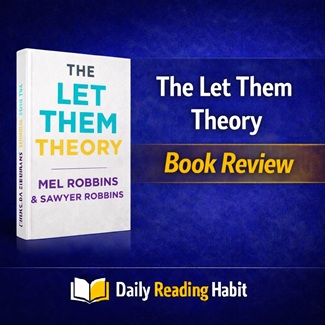
The Let Them Theory introduces a deceptively simple yet transformative mindset: let people be who they are, and let yourself be who you are. The book is not about detachment or indifference; it is about emotional freedom, boundaries, and reclaiming personal energy. In this detailed review, we explore the core message, key lessons, writing style, strengths, limitations, and why this book resonates so strongly with modern readers.
Introduction: The Weight of Other People’s Opinions
Many people live their lives reacting rather than choosing. They hesitate to speak up, change careers, or pursue passions because they fear judgment. Over time, this habit creates emotional exhaustion and self-doubt.
The Let Them Theory challenges this cycle by encouraging readers to release the need to control how others behave or perceive them. Instead of fighting reality, the authors suggest a shift in perspective: when you stop trying to manage everyone else, you finally gain control over yourself.
This concept is simple in wording but powerful in impact. The book shows that personal freedom often begins with emotional boundaries.
About the Authors: Mel Robbins and Sawyer Robbins
Mel Robbins is widely known for her motivational speaking, behavioral psychology insights, and practical self-help strategies. Her previous works have focused on action, confidence, and habit formation. Sawyer Robbins brings a complementary perspective that focuses on clarity, reflection, and emotional awareness.
Together, their collaboration in The Let Them Theory creates a balanced blend of motivation and introspection. Rather than overwhelming readers with theory, they present relatable scenarios and actionable mindset shifts.
What Is The Let Them Theory About?
At its core, The Let Them Theory is about letting go of unnecessary emotional resistance. The book explains how much mental energy people waste trying to influence others’ thoughts, decisions, and reactions.
The authors highlight situations such as:
-
Wanting everyone to like you
-
Trying to change someone’s behavior
-
Feeling hurt by others’ opinions
-
Overthinking social interactions
-
Seeking constant validation
The solution offered is not avoidance or withdrawal. Instead, it is acceptance paired with self-respect. By letting others act according to their nature, you free yourself to act according to yours.
The Core Philosophy: “Let Them” and “Let Me”
The central framework of the book revolves around two complementary ideas:
Let Them
This principle encourages readers to stop resisting what they cannot control. If someone disagrees with you, ignores you, or behaves differently than expected, the advice is simple: let them. This reduces emotional tension and prevents unnecessary conflict.
Let Me
While “Let Them” focuses on releasing control, “Let Me” focuses on personal empowerment. It reminds readers that while they cannot control others, they always control their own reactions, choices, and boundaries.
Together, these ideas create a mindset of calm confidence rather than passive acceptance.
Key Lessons from the Book
1. Emotional Boundaries Are Essential
One of the strongest messages in the book is the importance of boundaries. Emotional boundaries protect energy, time, and mental clarity. Without them, people become overwhelmed by expectations and obligations.
The authors emphasize that boundaries are not walls; they are filters that allow healthy relationships while limiting toxic influence.
2. Not Everyone Has to Understand You
A recurring theme is the realization that universal approval is impossible. The desire to be understood by everyone leads to self-censorship and stress.
The Let Them Theory teaches readers to focus on authenticity rather than approval. When you accept that misunderstanding is inevitable, you gain confidence to express yourself honestly.
3. Acceptance Reduces Conflict
Much of emotional conflict arises from resisting reality. The book explains that accepting others’ choices does not mean agreeing with them. It simply means acknowledging that people are responsible for their own decisions.
This mindset reduces frustration and allows relationships to become less reactive and more peaceful.
4. Self-Respect Is More Important Than Popularity
The authors highlight the difference between being liked and being respected. Popularity often requires compromise, while self-respect requires clarity and consistency.
By prioritizing self-respect, readers build stronger confidence and healthier connections.
5. Energy Management Shapes Happiness
A practical lesson in the book involves emotional energy management. Constant worry about others drains mental resources. Letting go of unnecessary concerns frees energy for creativity, focus, and personal growth.
Writing Style and Accessibility
The writing style is conversational, supportive, and easy to follow. The authors use relatable examples from everyday life — friendships, workplace interactions, social media behavior — to illustrate abstract ideas.
Chapters are short and structured, making the book ideal for daily reading or reflection sessions. The language is clear without being overly simplistic, striking a balance between inspiration and practicality.
Emotional Impact on Readers
Many readers describe feeling relief while reading The Let Them Theory. The ideas validate emotions that people often struggle to express — frustration, insecurity, and social pressure.
Rather than pushing aggressive positivity, the book encourages calm self-acceptance. This emotional tone makes it approachable for a wide audience, including those new to self-development.
Strengths of the Book
Simplicity of Concept
The “Let Them / Let Me” framework is easy to remember and apply.
Practical Application
The lessons translate directly into daily life situations.
Emotional Clarity
The book helps readers understand and regulate emotional responses.
Universal Relevance
Applicable to relationships, career decisions, and personal confidence.
Limitations to Consider
Some readers may find the central idea repetitive since the core principle is simple. Those seeking deep psychological research or complex frameworks might prefer more technical self-help books.
However, the strength of this book lies precisely in its clarity and repetition, which reinforces habit formation.
Who Should Read The Let Them Theory?
This book is ideal for:
-
Individuals struggling with overthinking
-
People seeking emotional boundaries
-
Professionals facing workplace stress
-
Readers interested in mindset improvement
-
Anyone feeling drained by social pressure
It is especially beneficial for those who want practical tools rather than abstract motivation.
Comparison with Other Self-Help Books
Unlike productivity-focused self-help titles, The Let Them Theory centers on emotional autonomy. While many books emphasize achievement and goals, this book emphasizes inner peace and mental clarity.
This distinction makes it complementary rather than competitive within the self-development genre.
Real-Life Impact
Readers often report:
-
Reduced anxiety about others’ opinions
-
Improved relationships
-
Increased confidence in decision-making
-
Better emotional balance
-
Stronger personal boundaries
The impact grows when the principles are practiced consistently.
Key Takeaways
-
You cannot control others, but you can control yourself
-
Acceptance reduces emotional stress
-
Boundaries create freedom, not isolation
-
Self-respect builds long-term confidence
-
Letting go creates space for growth
Final Verdict
The Let Them Theory by Mel Robbins and Sawyer Robbins is a practical, emotionally intelligent guide to reclaiming personal power. It does not promise overnight transformation, but it offers a mindset that gradually shifts how readers respond to social pressure and emotional stress.
For those seeking clarity, confidence, and healthier relationships, this book provides a refreshing and empowering perspective.
Overall Rating: 4.5 out of 5